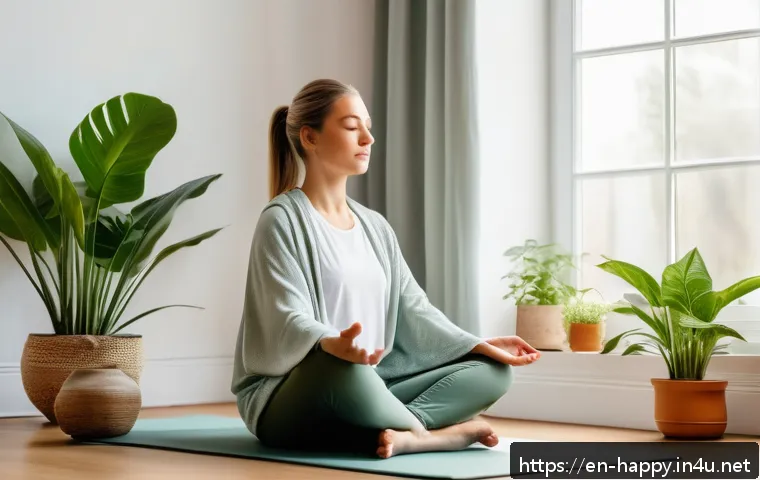
In today’s fast-paced world, stress seems to be an unwelcome companion for many of us. Whether it’s work pressures, personal challenges, or the constant buzz of digital distractions, managing stress effectively is more crucial than ever.

Thankfully, science offers us reliable techniques that not only reduce stress but also promote lasting happiness. Having tried several methods myself, I can say that incorporating these strategies can truly transform your daily life.
Stick around as we explore proven ways to unlock a more peaceful and joyful you.
Embracing Mindfulness to Find Calm Amid Chaos
Understanding Mindfulness Beyond Meditation
Mindfulness is often mistaken as just a meditation practice, but it’s so much more than sitting quietly with your eyes closed. From my own experience, it’s about being fully present in whatever you’re doing, whether that’s sipping your morning coffee or walking to work.
When I started paying attention to these small moments, I realized how many times my mind was spinning with worries or future anxieties. This simple shift helped me catch stress before it snowballed.
It’s like pressing a pause button on the chaos and choosing to breathe and observe without judgment. You don’t need special equipment or hours of free time; just a willingness to slow down and tune in to the here and now.
Practical Ways to Practice Mindfulness Daily
Incorporating mindfulness into a busy schedule can feel daunting, but it’s surprisingly doable. I found that setting tiny reminders—like a chime on my phone or a sticky note on my desk—prompted me to take a deep breath and check in with myself.
Even a minute or two of focused breathing or noticing your surroundings can recalibrate your nervous system. When stress hits, try the “5-4-3-2-1” grounding technique: identify five things you see, four you can touch, three you hear, two you smell, and one you taste.
This method pulls you out of spiraling thoughts and anchors you in reality. Over time, these micro-practices become habits that naturally reduce tension and cultivate a sense of peace.
The Science Behind Mindfulness and Stress Reduction
Research backs what many of us have intuitively felt—mindfulness alters the brain in ways that lower stress hormones and increase emotional regulation.
Studies show that consistent mindfulness practice thickens areas of the brain responsible for attention and empathy, while shrinking the amygdala, the region linked to fear and anxiety.
From my perspective, this explains why I feel less reactive when challenges arise. Instead of being overwhelmed, I notice a growing ability to respond with calm and clarity.
For those skeptical about mindfulness, it’s worth trying because the benefits aren’t just anecdotal; they’re measurable and long-lasting.
Building Resilience Through Physical Movement
How Exercise Acts as a Natural Stress Reliever
I used to think exercise was just about staying fit, but it turns out, it’s a powerful antidote to stress. Physical activity triggers the release of endorphins—our body’s natural feel-good chemicals—that instantly boost mood.
When life gets hectic, going for a brisk walk or a quick jog has helped me clear my head and reset emotionally. Beyond the immediate high, regular exercise improves sleep quality and energy levels, both crucial for managing stress long term.
Even if you’re not into intense workouts, gentle activities like yoga or stretching can soothe tense muscles and calm the mind, making a huge difference in how you handle daily pressures.
Finding the Right Movement for Your Lifestyle
Not every form of exercise suits everyone, and that’s okay. I experimented with various activities before discovering what truly energized me without feeling like a chore.
For some, group classes offer social support and motivation; for others, solo activities like cycling or swimming provide quiet reflection time. The key is to listen to your body and choose movements that bring joy rather than guilt.
Consistency matters more than intensity. Even 20 minutes a day can shift your stress levels significantly. Remember, the goal isn’t to become an athlete but to build resilience and improve overall well-being through movement.
Integrating Movement Into a Busy Schedule
I get it—finding time to exercise can be challenging when your calendar is packed. One trick that worked for me was breaking workouts into smaller chunks throughout the day.
Ten minutes of stretching in the morning, a quick walk during lunch, and a few bodyweight exercises in the evening add up without overwhelming your schedule.
Another tip is to combine movement with other tasks, like walking meetings or biking to run errands. These little hacks not only boost your physical health but also break the monotony, making your day feel more balanced and manageable.
Nurturing Social Connections for Emotional Support
The Role of Relationships in Stress Management
Stress often feels isolating, but leaning on others can be one of the most effective ways to lighten the load. I’ve found that sharing my worries with trusted friends or family members not only provides emotional relief but often leads to fresh perspectives.
Human connection releases oxytocin, a hormone that promotes feelings of safety and bonding, which naturally counteracts stress. Even casual conversations or a quick check-in text can make a huge difference in how supported and understood you feel.
Social support acts like a buffer, helping you bounce back faster from stressful events.
Quality Over Quantity: Building Meaningful Bonds
It’s easy to get caught up in the number of social interactions, but what truly matters is the depth of connection. I prioritize spending time with people who uplift me and understand my struggles rather than spreading myself thin trying to please everyone.
Vulnerability is key here; opening up authentically fosters trust and strengthens relationships. When you cultivate a few solid bonds, you create a network of emotional safety that you can rely on during tough times.
Remember, it’s not about having a huge social circle but about nurturing connections that genuinely nourish your well-being.
Balancing Social Life with Personal Boundaries
While social interaction is vital, it’s equally important to recognize your limits and avoid burnout. I’ve learned that saying no or taking breaks from social commitments is necessary to recharge.
Respecting your own boundaries prevents additional stress and helps maintain healthy relationships. Sometimes, solitude can be as healing as company. Finding the right balance between engagement and alone time is a personal journey, but it’s essential for sustainable emotional health.
Optimizing Sleep to Enhance Stress Resilience
Why Sleep Is a Cornerstone of Stress Recovery
Sleep is often the first casualty when stress ramps up, but ironically, lack of sleep only worsens stress responses. I’ve noticed firsthand that after a restless night, my patience thins, and worries amplify.
Quality sleep allows the brain to process emotions and repair itself, making you better equipped to handle challenges. It also regulates hormones that control mood and appetite.
Prioritizing sleep isn’t just about feeling rested; it’s a foundational pillar for mental and physical health that directly impacts how stress affects you.
Creating a Sleep-Friendly Environment
Small changes in your bedroom environment can lead to significant improvements in sleep quality. From my experience, eliminating screens at least an hour before bed and dimming the lights signal to your body that it’s time to wind down.
Comfortable bedding, a cool room temperature, and reducing noise can also make falling and staying asleep easier. Developing a consistent bedtime routine—like reading a book or practicing gentle stretches—helps condition your mind and body for restful sleep.
These habits build resilience against the wear and tear of daily stress.
Managing Sleep Disruptors and Improving Rest
Stress often triggers racing thoughts that keep you awake, so I’ve found mindfulness and breathing exercises helpful in calming my mind before sleep. Avoiding caffeine and heavy meals late in the day also reduces nighttime disruptions.
If you struggle with persistent sleep issues, it’s important to consult a healthcare professional as untreated problems can exacerbate stress. Remember, improving sleep is a gradual process, but investing in it pays dividends in emotional balance and stress tolerance.
Harnessing Nutrition to Support Mental Well-being

The Connection Between Diet and Stress Levels
What we eat profoundly affects our brain chemistry and stress resilience. Personally, I noticed that eating a balanced diet rich in whole foods stabilizes my mood and energy, while processed snacks tend to spike anxiety.
Nutrients like omega-3 fatty acids, magnesium, and B vitamins play critical roles in neurotransmitter function and stress regulation. Incorporating foods such as leafy greens, nuts, fatty fish, and whole grains can create a solid foundation for mental well-being.
Nutrition isn’t a quick fix but a powerful tool to fortify your body and mind against stress.
Mindful Eating as a Stress-Reduction Practice
Mindful eating goes hand-in-hand with mindfulness practices. Slowing down to savor each bite, noticing textures and flavors, and tuning into hunger cues helped me avoid overeating or emotional eating, which can exacerbate stress.
This approach transforms meals from rushed chores into moments of pleasure and self-care. It also encourages healthier choices and a better relationship with food, reducing guilt and anxiety around eating habits.
Simple Dietary Adjustments for Better Stress Management
Making small, sustainable changes can yield big benefits. I started by swapping sugary drinks for herbal teas and adding a serving of vegetables to every meal.
Drinking plenty of water throughout the day also helped me stay alert and less overwhelmed. Avoiding excessive caffeine, especially later in the day, prevented jitteriness and improved sleep.
These tweaks are easy to implement and, over time, support a calmer, more balanced nervous system.
Effective Time Management to Ease Mental Overload
Prioritizing Tasks to Reduce Stress
I often felt overwhelmed when my to-do list seemed endless, but learning to prioritize changed everything. I began categorizing tasks by urgency and importance, focusing first on what truly mattered rather than trying to do everything at once.
This approach freed up mental space and reduced the feeling of drowning in responsibilities. Using tools like planners or digital apps helped me visualize my day and set realistic goals, which boosted my confidence and lowered stress.
Breaking Tasks into Manageable Steps
Big projects can be intimidating, but breaking them into smaller, actionable steps made progress feel achievable. I found that tackling one piece at a time kept me motivated and prevented procrastination.
Celebrating small wins along the way reinforced positive momentum and eased anxiety. This strategy also allowed flexibility; if unexpected things came up, I could adjust without losing sight of the overall goal.
Setting Boundaries to Protect Your Time
Saying no to non-essential demands was tough initially, but it was a game-changer for my stress levels. I realized that overcommitting led to burnout and resentment.
Establishing clear boundaries around work hours and personal time created balance and preserved energy for what mattered most. Communicating these limits respectfully with colleagues, friends, and family fostered understanding and support.
Protecting your time is a vital act of self-care that sustains long-term well-being.
| Stress Management Technique | Key Benefits | Personal Tips |
|---|---|---|
| Mindfulness | Reduces anxiety, improves focus, alters brain structure | Use 5-4-3-2-1 grounding; set daily reminders |
| Physical Movement | Boosts mood, improves sleep, lowers stress hormones | Break workouts into small chunks; try yoga or walking |
| Social Connections | Provides emotional support, releases oxytocin | Prioritize quality relationships; set boundaries |
| Sleep Optimization | Enhances emotional regulation, repairs brain | Limit screens before bed; create calming routines |
| Nutrition | Supports brain chemistry, stabilizes mood | Eat whole foods; avoid excessive caffeine |
| Time Management | Reduces overwhelm, increases productivity | Prioritize tasks; break projects into steps |
Incorporating Creative Outlets for Emotional Release
The Therapeutic Power of Creativity
Engaging in creative activities has been a surprising yet powerful way to manage my stress. Whether it’s doodling, writing in a journal, or playing an instrument, these outlets allow expression of emotions that words alone can’t capture.
Creativity redirects mental energy away from worry and toward something constructive and fulfilling. It’s a form of active meditation that helps process feelings and fosters a sense of accomplishment.
Even if you don’t consider yourself “artistic,” experimenting with creative hobbies can unlock new avenues for relaxation and joy.
Finding Your Personal Creative Flow
Discovering which creative pursuits resonate with you takes some exploration. I tried painting, cooking, and photography before settling on writing as my favorite way to decompress.
The key is to approach creativity without pressure or expectations; it’s about the process, not the product. Set aside time regularly to engage in your chosen activity, even if it’s just 10 minutes.
This ritual builds a sanctuary where stress dissolves, and your mind can wander freely. Sharing your creations with others can also deepen connection and inspire encouragement.
Combining Creativity with Mindfulness
Pairing creative practice with mindfulness amplifies stress relief. When I focus fully on a creative task, like sketching or crafting, I enter a flow state where worries fade away.
This immersion enhances emotional regulation and clarity. Try incorporating mindful breathing or sensory awareness while creating to deepen this experience.
The combination nurtures both the mind and soul, making creativity a potent ally in your stress management toolkit.
Closing Thoughts
Embracing mindful habits, physical movement, and nurturing social connections can transform how we cope with stress. These practices are not just quick fixes but lifelong tools that build resilience and inner peace. By integrating them into daily life, you create a foundation for lasting calm amidst chaos. Remember, small consistent steps lead to meaningful change over time.
Helpful Tips to Keep in Mind
1. Start with small mindfulness moments—focus on your breath or surroundings for a minute daily to ground yourself.
2. Choose physical activities you enjoy to make movement feel rewarding, not like a chore.
3. Prioritize quality in relationships over quantity; meaningful connections offer stronger emotional support.
4. Develop a relaxing bedtime routine and limit screen time to improve your sleep quality.
5. Make gradual dietary changes by incorporating whole foods and reducing caffeine to stabilize mood and energy.
Key Takeaways
Stress management is most effective when approached holistically, combining mental, physical, social, and lifestyle strategies. Mindfulness sharpens awareness and emotional control, while regular movement boosts mood and energy. Strong social bonds provide crucial emotional support, and optimizing sleep and nutrition reinforces overall well-being. Time management and creative outlets further ease mental overload and foster emotional release. Consistency and self-compassion are essential for sustainable stress resilience.
Frequently Asked Questions (FAQ) 📖
Q: uestions about Managing Stress and Finding HappinessQ1: What are some quick techniques to reduce stress during a busy day?
A: When the pressure builds up unexpectedly, I’ve found that simple breathing exercises can make a huge difference. Taking just a minute to do deep, slow breaths helps calm the nervous system almost instantly.
Another quick fix is a brief walk outside—even five minutes in fresh air and natural light can reset your mood. Personally, I carry a small list of grounding techniques on my phone, like focusing on the five things I see or hear around me, which helps pull me out of stressful loops fast.
Q: How can I create lasting happiness rather than just temporary relief from stress?
A: From my experience, lasting happiness comes from consistent habits rather than quick fixes. Practices like gratitude journaling, regular physical activity, and mindful meditation build a foundation of well-being over time.
It’s also essential to nurture social connections; meaningful conversations with friends or family can boost your mood long-term. I’ve noticed that when I prioritize these habits daily—even on tough days—the overall stress feels more manageable and my happiness feels more authentic.
Q: Are digital devices always a source of stress, or can they help manage it?
A: Digital devices can be double-edged swords. On one hand, constant notifications and endless scrolling can increase stress and distract you from the present moment.
On the other hand, there are excellent apps for meditation, sleep tracking, and mood journaling that genuinely support stress management. I’ve personally balanced my screen time by setting “no-phone” zones during the day and using apps that encourage relaxation.
This way, technology serves as a helpful tool rather than a stress trigger.