In today’s fast-paced world, finding true happiness can sometimes feel like an elusive goal. Many of us seek practical ways to boost our well-being and cultivate joy in everyday life.
Fortunately, there are insightful courses designed to help you unlock the secrets of lasting happiness. Whether you want to improve your mindset, build stronger relationships, or manage stress better, the right guidance can make all the difference.
I’ve explored several programs myself and noticed how small changes can lead to meaningful improvements. Let’s dive deeper and discover how these happiness courses can transform your life for the better!
Understanding the Science Behind Happiness
The Role of Positive Psychology in Daily Life
Positive psychology has fundamentally changed how we approach happiness by focusing on what makes life worth living rather than just fixing problems. I remember taking a course that broke down complex psychological concepts into simple, actionable steps.
For instance, practicing gratitude daily wasn’t just about saying “thank you” but actively reflecting on what we appreciate, which rewired my brain toward positivity over time.
This scientific lens makes happiness feel less like a vague concept and more like a skill anyone can develop with consistent effort.
How Mindfulness Enhances Emotional Well-being
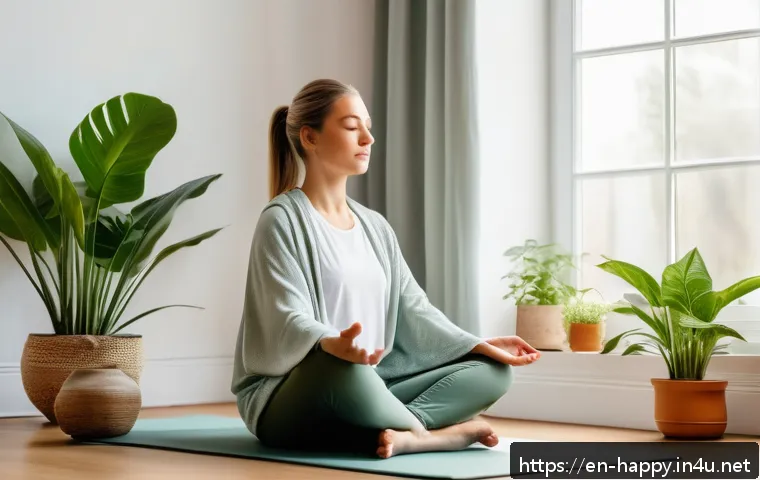
Mindfulness has become a buzzword, but its impact on happiness is profound when practiced authentically. One of the courses I tried emphasized mindful breathing and present-moment awareness to reduce stress and amplify joy.
What struck me was how even a few minutes a day helped me break free from the autopilot mode and actually savor small pleasures, like the taste of my morning coffee or the warmth of sunlight.
It’s about training your brain to notice and enjoy the here and now, which can dramatically boost emotional resilience.
Neuroscience Insights: Rewiring for Joy
The brain’s plasticity means we can literally rewire our neural pathways to foster more happiness. Many happiness programs incorporate neuroscience to explain why habits matter and how repeated positive actions can build lasting happiness circuits in the brain.
When I applied these principles myself, I found that intentionally engaging in acts of kindness or practicing optimism didn’t just make me feel good momentarily, but gradually shifted my default mindset.
Understanding the “why” behind these exercises makes sticking to them easier and more rewarding.
Building Meaningful Connections That Fuel Joy
The Power of Empathy and Active Listening
True happiness often stems from deep, authentic relationships, and empathy plays a central role in that. One course highlighted the difference between just hearing someone and actively listening—being fully present and validating their feelings.
After practicing these skills in my own life, I noticed a stronger bond with friends and family, leading to a greater sense of belonging and support. It’s amazing how much happiness can grow simply by giving others your genuine attention.
Creating Boundaries to Protect Your Well-being
Healthy relationships require boundaries, yet many overlook this aspect in their pursuit of happiness. I learned through experience that saying no or stepping back from toxic interactions isn’t selfish but essential for mental health.
Setting boundaries freed up my energy and reduced emotional drain, which in turn made me more available to connect positively with others. Courses that include boundary-setting strategies provide practical tools for maintaining balance without guilt.
Community Involvement and Shared Purpose
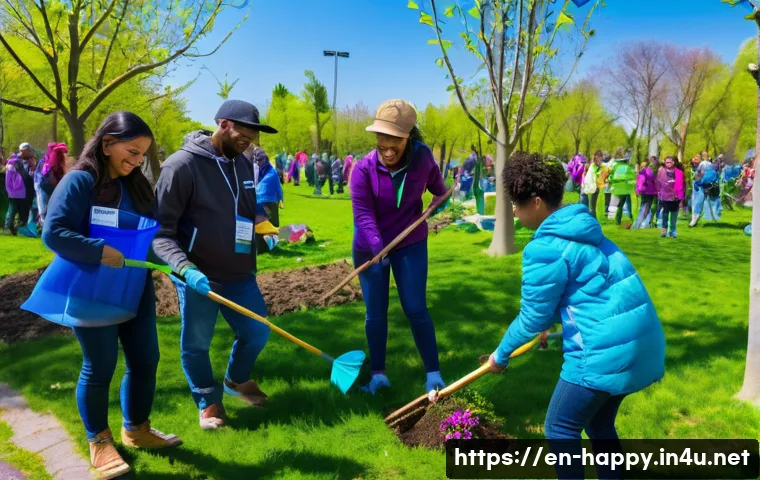
Feeling connected to a community or cause bigger than oneself can be a powerful happiness booster. I joined a local volunteer group after completing a happiness course that emphasized social contribution as a key factor.
This experience not only gave me a sense of purpose but also expanded my social network in meaningful ways. The joy that comes from helping others and being part of a collective effort often surpasses personal achievements, creating a ripple effect of positivity.
Stress Management Techniques That Actually Work
Breathing Exercises for Instant Calm
Stress can sabotage happiness, but simple breathing techniques can quickly restore calm. I was surprised at how a few deep breaths, learned from a happiness workshop, could reset my nervous system during tense moments.
Techniques like box breathing or diaphragmatic breathing are easy to do anywhere and don’t require special equipment, making them practical tools for managing daily stressors.
Journaling as a Tool for Emotional Clarity
Writing down thoughts and feelings might sound old-fashioned, but journaling is incredibly effective for processing emotions and gaining perspective. In one course, the instructor encouraged daily gratitude journaling combined with reflective prompts.
Over time, this practice helped me identify negative thought patterns and replace them with constructive narratives, which was instrumental in reducing anxiety and increasing overall contentment.
Physical Activity’s Role in Mental Health
Exercise isn’t just about physical fitness; it profoundly affects mental well-being too. From personal experience, incorporating moderate exercise like walking or yoga, as recommended in various happiness programs, significantly lifted my mood and energy levels.
The endorphin boost combined with the meditative aspect of movement creates a natural antidepressant effect, supporting a more joyful outlook.
Transforming Your Mindset for Lasting Happiness
Embracing a Growth Mindset
The belief that abilities and intelligence can improve through effort fundamentally shapes happiness. When I shifted from a fixed mindset—where setbacks felt like failures—to a growth mindset, I noticed a newfound resilience.
Happiness courses that focus on this mindset teach you to view challenges as opportunities for growth, which reduces fear and encourages persistence. This mental shift often leads to greater satisfaction and less self-criticism.
Practicing Self-Compassion
Being kind to yourself during tough times can dramatically influence your happiness. I struggled with harsh self-judgment until I learned self-compassion techniques in a happiness course, like speaking to myself as I would to a friend.
This change reduced feelings of shame and increased my motivation to improve, creating a healthier internal dialogue. Self-compassion isn’t about complacency but about fostering a supportive inner environment that nurtures happiness.
Gratitude as a Daily Habit
Gratitude is more than just a feel-good concept; it’s a scientifically backed practice that changes brain chemistry. I incorporated gratitude rituals such as noting three things I’m thankful for each evening, which made me more aware of the positive aspects of my life, even on difficult days.
Courses that emphasize this habit often provide creative ways to keep it fresh and engaging, preventing it from becoming a chore and instead turning it into a joyful routine.

Practical Tools to Incorporate Happiness in Everyday Life
Setting Realistic and Meaningful Goals
Happiness grows when we pursue goals aligned with our values rather than external pressures. I found that happiness programs encouraging goal-setting with clear, achievable steps helped me avoid overwhelm and stay motivated.
Breaking big ambitions into small wins created a sense of progress and satisfaction, which kept my spirits high even when results took time.
Creating a Personalized Happiness Toolbox
Everyone’s path to happiness is unique, so many courses suggest building a “toolbox” of strategies tailored to individual needs. This might include a mix of meditation, social activities, creative outlets, or physical exercise.
Through trial and error, I developed my own set of go-to practices that reliably boost my mood and help me bounce back from setbacks. This personalized approach ensures sustainability and effectiveness.
Leveraging Technology Wisely
While technology often gets blamed for stress, it can also be a valuable happiness aid when used mindfully. Apps designed for meditation, mood tracking, or habit building can provide structure and reminders to maintain positive practices.
I experimented with several apps recommended in happiness courses and found that those with simple interfaces and customizable features helped me stay consistent without feeling overwhelmed.
Comparing Popular Happiness Courses: Features and Benefits
| Course Name | Focus Area | Duration | Unique Feature | Ideal For |
|---|---|---|---|---|
| Positive Psychology Masterclass | Science-based happiness strategies | 6 weeks | Interactive exercises and quizzes | Those wanting a deep dive into psychology |
| Mindfulness and Emotional Balance | Stress reduction through mindfulness | 4 weeks | Guided meditations and daily prompts | People seeking calm and focus |
| Building Resilient Relationships | Empathy and communication skills | 5 weeks | Role-playing and community support | Individuals aiming to improve social bonds |
| Self-Compassion Workshop | Developing kindness to self | 3 weeks | Personal journaling and group sharing | Those struggling with self-criticism |
| Happiness Habits Bootcamp | Daily practices for joy | 8 weeks | Habit tracking and accountability | Anyone looking for practical routines |
Incorporating Happiness Habits into a Busy Schedule
Micro-Habits That Fit Any Lifestyle
One of the biggest challenges I faced was finding time for happiness practices amid a hectic routine. The courses that helped me most emphasized micro-habits—small actions that take just minutes but add up significantly.
For example, a 2-minute gratitude reflection or a quick breathing break during work transformed my day without requiring big schedule changes. These bite-sized habits make happiness accessible regardless of how packed your calendar is.
Using Transition Moments Wisely
I learned to leverage natural transitions, like commuting or waiting in line, as opportunities to practice mindfulness or positive affirmations. This approach turns otherwise wasted time into moments that nourish well-being.
Happiness courses often suggest identifying these moments and assigning specific happiness practices to them, creating a seamless integration that feels effortless over time.
Accountability Through Social Support
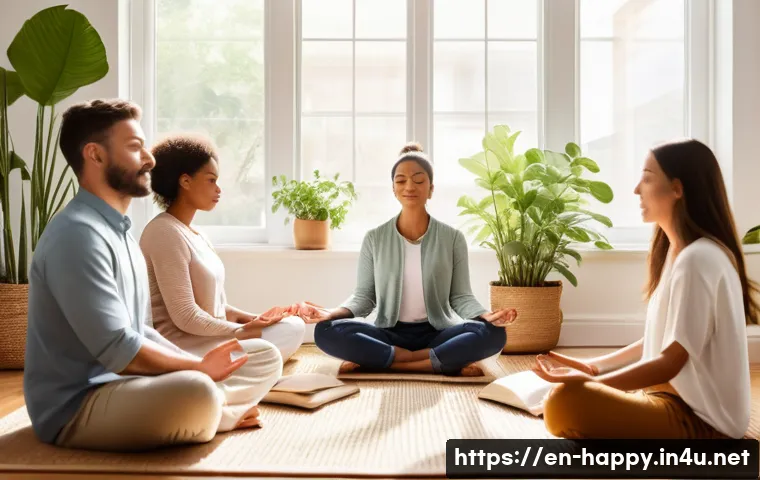
Sticking to new habits can be tough alone, so I found that involving friends or joining course communities added motivation and accountability. Sharing progress, challenges, and successes with others creates a supportive environment that encourages consistency.
Many programs include group elements or forums, which foster connection and make the journey toward happiness feel less solitary and more enjoyable.
The Lasting Impact of Committing to Happiness Growth
From Short-Term Boosts to Long-Term Change
Initially, happiness courses provided me quick mood lifts, but the real transformation came when I committed to continuous practice. The shift from seeking immediate gratification to cultivating sustainable habits marked a turning point in my life.
This commitment reshaped not only how I felt daily but also how I approached challenges, setbacks, and relationships, creating a foundation of resilience and fulfillment.
Measuring Progress Beyond Feelings
Tracking happiness growth can feel abstract, but some courses encourage measurable indicators like mood journals, stress levels, or relationship quality.
I found that having tangible data helped me stay motivated and recognize subtle improvements I might otherwise overlook. This feedback loop is crucial for maintaining momentum and adjusting practices to better suit evolving needs.
Spreading Happiness: Impact on Others
One of the most rewarding outcomes was noticing how my own happiness affected those around me. Friends and family remarked on my increased patience, positivity, and presence, which strengthened our connections.
Happiness isn’t just an individual pursuit but a ripple effect that benefits entire communities. Committing to personal growth, therefore, becomes a gift not only to yourself but to everyone you interact with.
Conclusion
Understanding happiness through science and practical habits has truly transformed how we experience life. By applying mindfulness, building meaningful connections, and managing stress effectively, lasting joy becomes achievable. Embracing a positive mindset and committing to small daily actions can create powerful, sustainable changes. Ultimately, happiness is a journey that grows richer with intentional practice and self-awareness.
Useful Information to Keep in Mind
1. Consistent practice of gratitude and mindfulness rewires the brain for increased positivity over time.
2. Setting healthy boundaries is crucial to protect your emotional well-being and maintain balanced relationships.
3. Incorporating small, manageable habits into daily routines helps sustain happiness even with a busy schedule.
4. Engaging with community and social support enhances feelings of purpose and connectedness.
5. Tracking progress with journals or mood logs can motivate continued growth and reveal subtle improvements.
Key Takeaways
Building happiness requires intentional effort through science-backed strategies like positive psychology and mindfulness. Developing empathy and strong social bonds deepens joy, while effective stress management preserves emotional balance. A growth mindset and self-compassion foster resilience during challenges. Tailoring happiness tools to your unique lifestyle ensures lasting impact, and sharing your progress can inspire those around you. Remember, happiness is both a personal practice and a collective gift.
Frequently Asked Questions (FAQ) 📖
Q: How do happiness courses actually help improve my daily life?
A: Happiness courses offer practical tools and strategies that you can easily apply to your everyday routine. From mindfulness exercises to techniques for building stronger social connections, these programs guide you step-by-step to shift your mindset and habits.
Based on my experience, even small daily practices like gratitude journaling or stress management methods learned in these courses can create noticeable improvements in mood and overall well-being over time.
Q: Are these courses suitable for people with busy schedules?
A: Absolutely. Most happiness courses are designed with flexibility in mind, offering bite-sized lessons that you can fit into even the busiest days. I’ve personally appreciated programs that allow me to learn at my own pace, whether it’s a quick morning meditation or a short video on positive psychology concepts.
The key is consistency rather than time commitment, so you can gradually build habits that promote lasting happiness without feeling overwhelmed.
Q: Can happiness courses help with managing stress and anxiety?
A: Yes, many happiness courses include effective stress reduction techniques such as mindfulness, breathing exercises, and cognitive reframing. From what I’ve seen, these approaches not only help reduce daily stress but also build resilience against future challenges.
By learning to recognize negative thought patterns and replace them with more positive perspectives, you can better manage anxiety and cultivate a calmer, more balanced mindset.