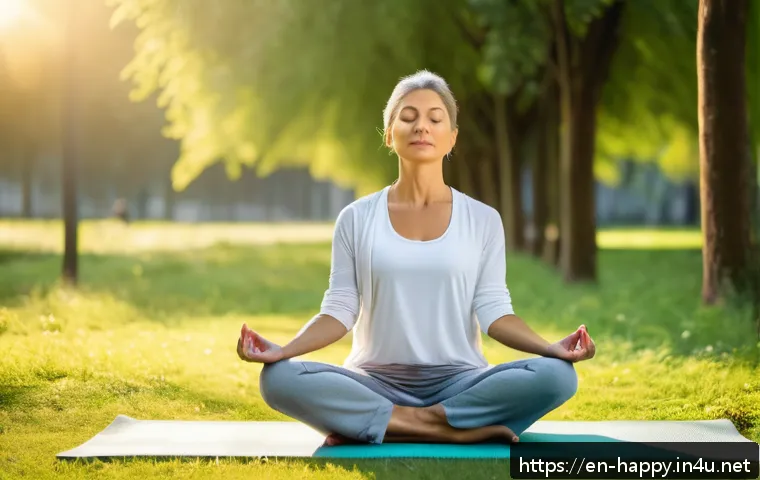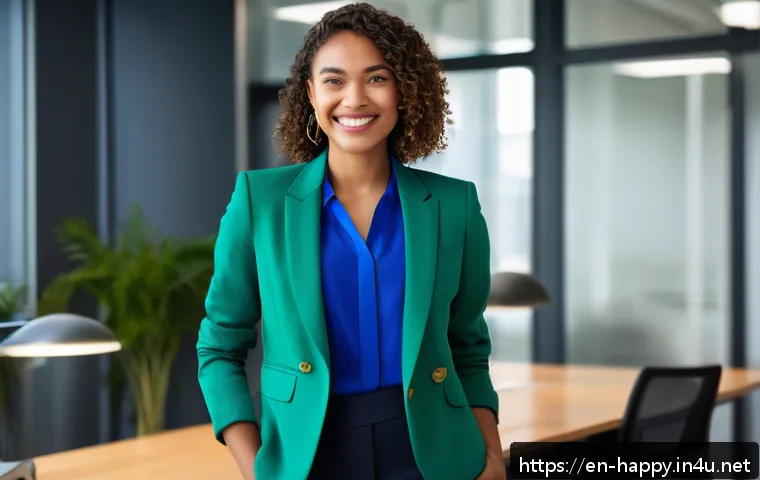
Lately, more people are discovering how fashion isn’t just about looks—it’s a powerful mood booster that can brighten even the dullest days. In a world where mental well-being is gaining the spotlight, your wardrobe choices play a surprisingly big role in shaping your happiness.
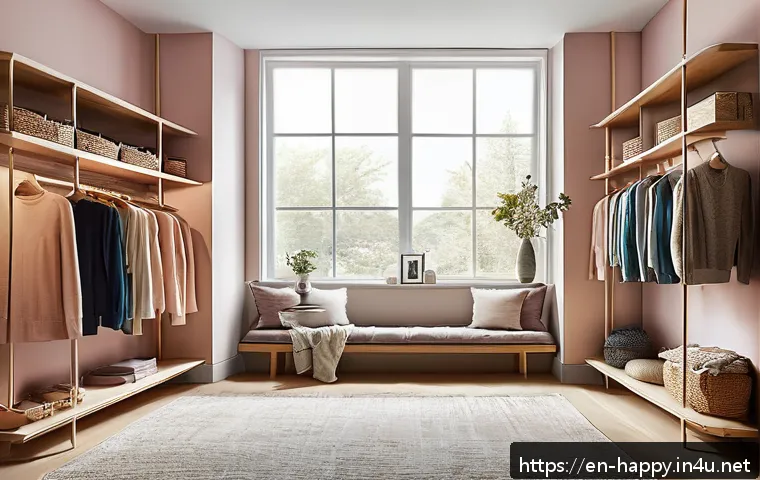
I’ve noticed firsthand how a simple change in style can shift my mindset and spark confidence. If you’ve ever felt stuck in a style rut or wondered how what you wear affects your mood, you’re in the right place.
Let’s explore how unlocking joy through style can transform your everyday life in unexpected and uplifting ways.
How Colors Influence Your Mood and Confidence
Understanding the Psychology Behind Colors
Colors aren’t just visual stimuli; they have a profound impact on our emotions and mental state. For example, warm colors like red and orange tend to energize and invigorate, often sparking feelings of excitement or passion.
On the other hand, cool colors such as blue and green are known for their calming effects, helping to soothe anxiety and promote relaxation. When I started paying attention to the colors I wore daily, I noticed that bright yellows or vibrant reds lifted my spirits during stressful days, while softer pastels helped me stay composed during long meetings.
This connection between color and mood is backed by psychological studies and can be a simple yet powerful tool in your fashion arsenal.
Choosing Color Palettes That Match Your Daily Vibe
Selecting your outfit colors based on how you want to feel that day can be surprisingly effective. If you have a big presentation or social event, opting for bold colors like cobalt blue or emerald green can boost your confidence and make you feel more assertive.
Conversely, if you’re aiming for a low-key day, neutral tones like beige, soft gray, or muted mauve can help maintain a peaceful, grounded vibe. I often create a mental “color mood board” for my week—planning which hues to wear depending on the tasks and challenges ahead.
This practice doesn’t just organize my wardrobe; it actively shapes my mindset and readiness.
Balancing Color with Personal Style
While it’s tempting to follow color trends or popular palettes, the key is to align colors with what genuinely feels right for you. Wearing colors that clash with your personality or skin tone can sometimes backfire, leaving you feeling uncomfortable or self-conscious.
I learned this the hard way when I tried to embrace neon shades because they were “in,” but they just didn’t resonate with me. Instead, finding your unique color harmony enhances not only your mood but also your overall style confidence.
Experiment with different shades and notice which colors make you smile in the mirror and which ones you dread putting on.
The Role of Texture and Fabric in Emotional Comfort
Why Fabric Choices Affect Your Mood More Than You Think
Texture plays an often overlooked role in how clothing affects us emotionally. Soft, breathable fabrics like cotton or silk can make you feel cozy and cared for, whereas stiff or synthetic materials may cause discomfort and irritability.
Personally, switching to natural fibers in my wardrobe improved not only my physical comfort but also my mental clarity throughout the day. There’s something soothing about the tactile experience of smooth fabric against your skin that can ease tension and promote a relaxed state of mind.
Mixing Textures to Create Visual and Sensory Interest
Combining different textures in your outfit adds depth and dimension, which can stimulate positive feelings and creativity. For example, pairing a chunky knit sweater with sleek leather pants creates an unexpected contrast that keeps your look fresh and exciting.
I’ve found that playing with textures is like telling a story with your clothes—it reflects your mood and personality in ways color alone can’t. When you enjoy how your clothes feel and look, it naturally boosts your confidence and keeps you engaged with your style throughout the day.
Seasonal Fabric Swaps to Match Your Emotional Needs
Adjusting fabric choices according to seasons isn’t just practical; it’s emotionally beneficial. Cozy wool and cashmere in winter provide warmth and a sense of security, while lightweight linens and breathable cottons in summer offer relief and lightness.
I make it a habit to rotate my fabrics seasonally, and it has a noticeable impact on how I feel. Wearing heavy fabrics in the wrong season can feel stifling, while the right fabric in the right season feels like a gentle hug, improving my mood significantly.
How Accessorizing Enhances Your Emotional Expression
The Power of Statement Pieces
Accessories can transform even the simplest outfit into a mood-lifting ensemble. A bold necklace, a colorful scarf, or a pair of eye-catching shoes can act as mood boosters by adding personality and flair.
I often use accessories strategically when I’m feeling a bit down or uninspired, knowing that a fun bracelet or bright bag will spark joy and give me something to smile about.
These small additions don’t just complete an outfit—they communicate your emotions and intentions to yourself and others.
Using Accessories to Reflect Your Inner State
Sometimes, what you wear on the outside can help you reconnect with how you feel inside. If you’re feeling playful, adding quirky or whimsical accessories can amplify that mood and encourage you to embrace it fully.
Conversely, when you want to feel grounded and centered, minimalist and delicate pieces work best. I’ve noticed that matching accessories to my emotional state helps me stay authentic throughout the day, making me feel more aligned and comfortable in my own skin.
Practical Tips for Building a Mood-Enhancing Accessory Collection
Start by choosing a few versatile pieces that can shift your mood effortlessly—like a bright scarf that can be tied in multiple ways or a pair of earrings that add a pop of color.
Mix and match textures and styles to keep things interesting and avoid monotony. I recommend investing in quality over quantity; well-made accessories not only last longer but feel better to wear, contributing positively to your emotional well-being.
Creating a Capsule Wardrobe That Supports Positive Habits
The Benefits of Simplifying Your Closet
A cluttered closet often leads to decision fatigue and stress, which can negatively impact your mood. By curating a capsule wardrobe with pieces that you love and that make you feel good, you reduce morning frustration and increase daily happiness.
I experienced this firsthand after decluttering—my mornings became smoother, and I felt more in control and satisfied with my style choices. Simplification creates mental space, allowing you to focus on the joy of dressing rather than the anxiety of what to wear.
Choosing Pieces That Align With Your Lifestyle and Mood Goals
When building a capsule wardrobe, select items that fit your everyday activities and emotional goals. If you want to feel empowered at work, include tailored blazers and structured dresses.
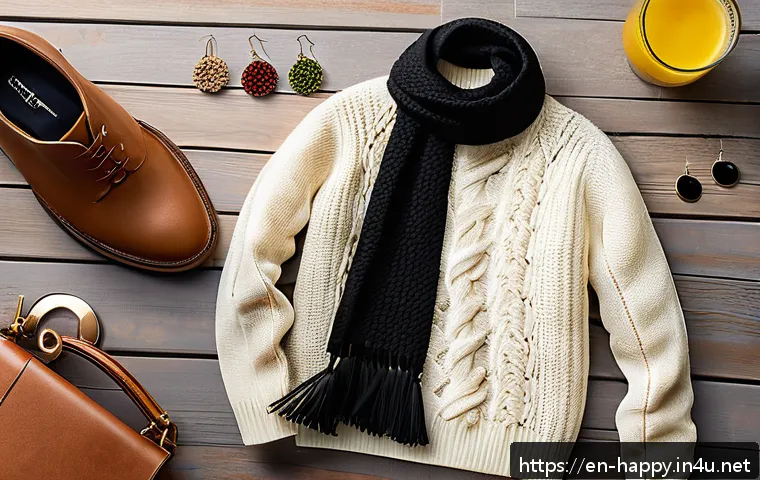
For relaxed weekends, cozy sweaters and casual jeans are essential. I found that having a clear intention behind each piece helps me stay consistent and emotionally connected to my wardrobe, which in turn supports a more positive outlook daily.
Maintaining Your Capsule Wardrobe for Long-Term Joy
Keep your capsule wardrobe fresh by periodically reassessing your pieces. Donate or replace items that no longer serve you emotionally or practically.
I schedule seasonal wardrobe reviews to ensure my clothes still spark joy and fit my lifestyle. This ongoing care prevents burnout and keeps my fashion choices aligned with my mental well-being.
How Personal Style Rituals Boost Mental Wellness
Starting Your Day With Intentional Dressing
Making dressing a mindful ritual rather than a rushed task can positively influence your mood throughout the day. I’ve adopted the habit of taking a few moments each morning to choose an outfit that feels right emotionally and physically.
This small act of self-care sets a positive tone and helps me feel more grounded and confident before stepping out the door.
Using Style as a Form of Self-Expression and Empowerment
Your style is a language that communicates your identity and emotions. When you dress intentionally, it becomes a form of self-expression that can empower you to face challenges with resilience.
I’ve noticed that when I wear outfits that resonate with my inner self, I feel more authentic and energized, which helps me handle stressful situations better.
Incorporating Style Breaks to Refresh Your Mood
Sometimes, switching up your look midweek or trying new styles can refresh your mood and spark creativity. I make it a point to experiment with different combinations or accessories when I feel stuck or tired of my usual routine.
These style breaks act like mental resets, boosting my enthusiasm and keeping my wardrobe experience fun and uplifting.
Wardrobe Organization for a Stress-Free Fashion Experience
The Emotional Impact of an Organized Closet
An orderly closet creates a calm environment that can reduce anxiety and make getting dressed a more enjoyable experience. I found that organizing my clothes by category, color, or occasion simplifies decision-making and enhances my daily routine.
This clarity not only saves time but also fosters a sense of control and peace, positively affecting my overall mood.
Practical Organization Tips to Maximize Joy
Invest in quality hangers, drawer dividers, and storage bins to keep your wardrobe neat and accessible. Label sections or use clear containers for smaller accessories to avoid frustration.
When everything is visible and easy to find, dressing becomes a joyful activity rather than a chore. I also recommend regular tidying sessions to maintain this order and prevent clutter from creeping back in.
Creating a Personalized Dressing Space
Your dressing area should feel inviting and inspiring. Adding elements like good lighting, a full-length mirror, and even plants or artwork can elevate your mood while you prepare for the day.
I transformed a corner of my bedroom into a mini dressing nook, and it quickly became my favorite spot—a small sanctuary that makes styling my outfits feel like a treat rather than a task.
| Fashion Element | Emotional Benefit | Practical Tip |
|---|---|---|
| Color | Boosts mood and confidence through psychological impact | Choose colors that reflect your daily emotional goals |
| Texture | Enhances comfort and sensory satisfaction | Mix fabrics like cotton, silk, and knits for variety |
| Accessories | Expresses personality and uplifts spirit | Invest in versatile statement pieces |
| Capsule Wardrobe | Reduces stress and decision fatigue | Curate items that align with lifestyle and mood |
| Organization | Creates calm and order, reducing anxiety | Use storage solutions and maintain regular tidying |
In Conclusion
Colors, textures, and thoughtful accessorizing all play a significant role in shaping how we feel throughout the day. By tuning into these elements and creating a wardrobe that aligns with your emotions and lifestyle, you can boost your confidence and mental well-being. Small intentional choices in dressing become powerful tools for self-expression and mood enhancement. Embrace your personal style as a form of self-care that supports both your appearance and your inner state.
Helpful Tips to Remember
1. Use color strategically to influence your mood—bold hues for confidence, soft tones for calmness.
2. Choose fabrics that feel comfortable and suit the season to enhance emotional comfort.
3. Incorporate statement accessories to express your personality and lift your spirits.
4. Simplify your wardrobe by curating versatile pieces that match your lifestyle and mood goals.
5. Maintain an organized dressing space to reduce stress and make getting ready enjoyable.
Key Takeaways
Understanding the emotional impact of your clothing choices can transform your daily routine. Prioritize comfort through fabric selection, harness the psychological power of colors, and use accessories as tools for self-expression. Building a capsule wardrobe tailored to your needs reduces decision fatigue and supports positive habits. Lastly, an orderly closet and mindful dressing rituals contribute to a stress-free and uplifting fashion experience that nurtures both your confidence and mental wellness.
Frequently Asked Questions (FAQ) 📖
Q: uestionsQ1: How exactly can changing my outfit improve my mood?
A: It might sound simple, but what you wear sends signals to your brain and affects how you feel throughout the day. For example, slipping into a bright-colored shirt or a favorite pair of shoes can instantly lift your spirits.
I’ve personally experienced days when just putting on a well-loved jacket made me feel more confident and ready to face challenges. Clothing can act like a mood booster by reminding you of positive memories or helping you express your personality, which in turn sparks happiness and motivation.
Q: What if I’m stuck in a style rut and don’t know where to start?
A: That’s completely normal! The key is to start small and experiment without pressure. Try incorporating one new element at a time—maybe a fun accessory, a bold color, or a different texture.
I found that mixing in something unexpected, like a patterned scarf or vibrant sneakers, helped break the monotony and made dressing up feel exciting again.
Remember, your style is about what makes you feel good, so give yourself permission to play around and discover what lifts your mood.
Q: Can fashion really affect mental well-being on a deeper level?
A: Absolutely. Beyond just looking good, style can influence how you perceive yourself and how others respond to you, which impacts your mental state. When I dress in a way that feels authentic and empowering, it boosts my self-esteem and reduces anxiety.
This connection between clothing and mood isn’t just psychological—it’s backed by studies showing that “enclothed cognition” can affect confidence and productivity.
So, treating your wardrobe as a tool for mental wellness can genuinely transform your everyday life.