In today’s fast-paced world, finding moments of genuine happiness can feel like a challenge. Meditation offers a powerful way to reconnect with yourself and cultivate lasting joy amid daily stresses.
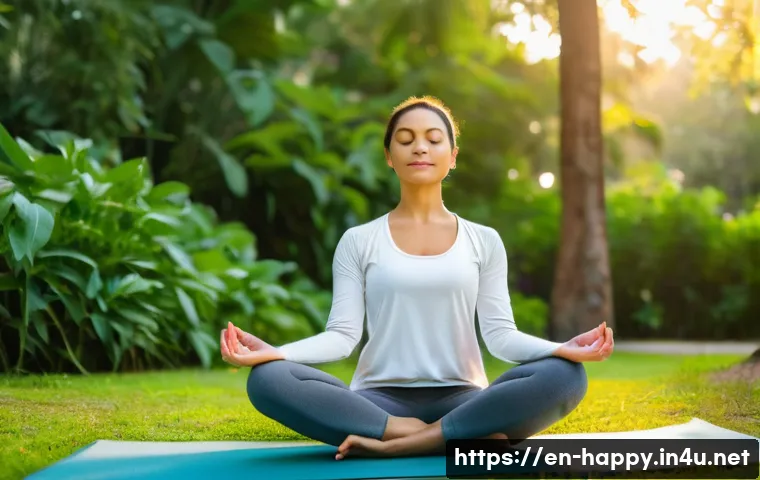
Through simple, mindful practices, you can learn to embrace peace and positivity from within. Many people have found that incorporating meditation into their routine not only boosts mood but also enhances overall well-being.
Curious about how to get started or deepen your practice? Let’s dive into the details and explore how a happy meditation guide can transform your life for the better!
Understanding the Power of Mindful Breathing
How Breath Shapes Your Emotional State
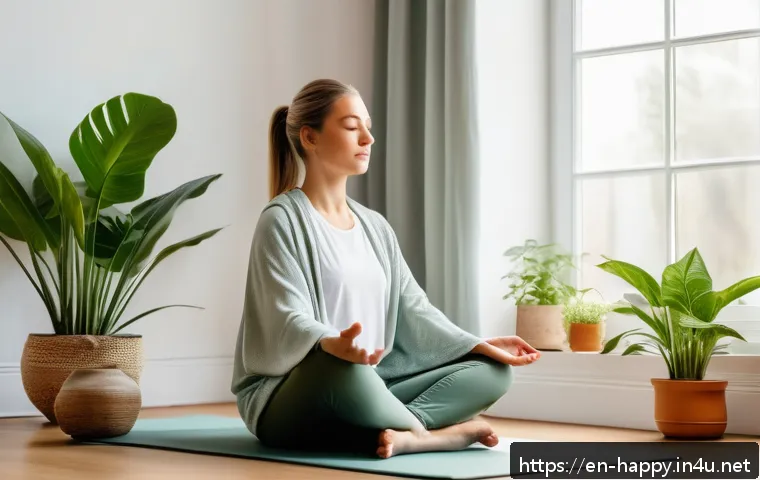
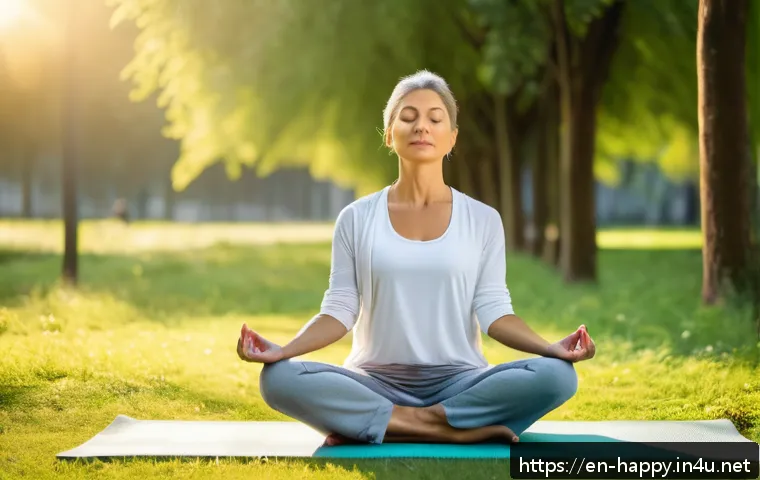
When I first tried meditation, I was surprised to notice how much my breathing influenced my feelings. Taking slow, deliberate breaths helps calm the nervous system, which in turn reduces anxiety and stress.
It’s almost like your breath acts as a natural reset button for your emotions. Instead of letting your mind spiral into worries, focusing on your breath gently pulls you back to the present moment.
This simple awareness can create a sense of safety and peace that lingers long after your meditation session ends.
Techniques to Find Your Natural Rhythm
Not all breathing exercises work the same for everyone. I found that experimenting with different patterns—like box breathing or diaphragmatic breathing—helped me discover what felt most soothing.
For example, box breathing involves inhaling for four counts, holding for four, exhaling for four, and pausing for four. When I practiced this, my mind slowed down noticeably, and I felt a steadiness that was hard to find otherwise.
The key is to explore gently and listen to what your body responds to best.
Integrating Breath Awareness Into Daily Life
The beauty of mindful breathing is that you don’t need to set aside a special time to benefit from it. I often catch myself taking a few deep breaths before entering a meeting or after a stressful phone call.
These brief pauses help me reset and approach situations with a clearer mind and calmer attitude. Over time, this habit builds resilience against everyday stressors and fosters a more grounded, joyful mindset.
Creating a Personal Meditation Space That Invites Calm
Choosing the Right Environment for Your Practice
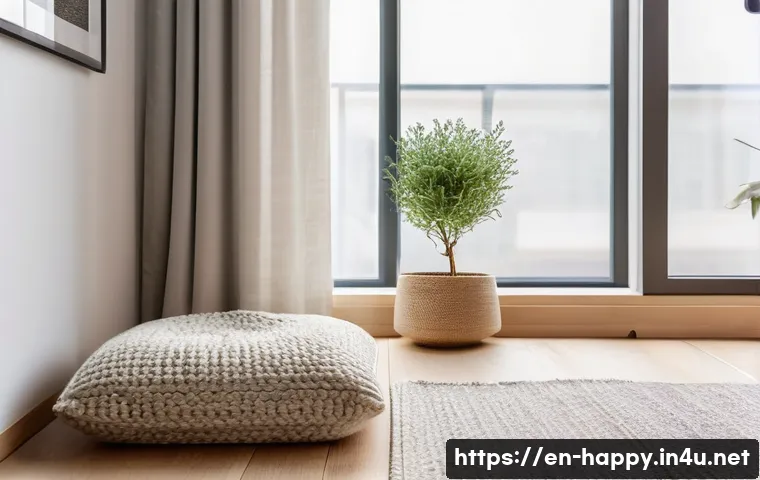
Having a dedicated meditation corner can make a huge difference. I carved out a small nook in my apartment with minimal distractions, soft lighting, and a cozy cushion.
This space became my sanctuary, signaling to my brain that it’s time to slow down. Whether it’s a corner of your bedroom, a spot by the window, or even a quiet outdoor area, finding a place that feels inviting and peaceful encourages consistency and deeper relaxation.
Adding Elements That Support Relaxation
Incorporating sensory elements like a gentle candle scent, calming music, or a small plant can enhance your meditation experience. I noticed that lavender-scented candles help me relax faster, while soft instrumental music creates a soothing backdrop without pulling my attention away.
These small touches don’t have to be expensive or elaborate; even a favorite blanket or a warm cup of tea nearby can make the practice feel more nurturing and enjoyable.
Maintaining Your Space for Long-Term Success
Keeping your meditation area tidy and refreshed is surprisingly motivating. I make it a habit to clear away clutter and occasionally swap out items to keep the space feeling fresh.
This maintenance signals respect for your practice and yourself. When the space feels welcoming, it’s easier to return day after day, turning meditation from a chore into a cherished ritual.
Mastering the Art of Gentle Focus and Letting Go
Balancing Concentration Without Strain
One of the biggest challenges I faced was trying too hard to “empty” my mind, which only made me more frustrated. Instead, I learned that meditation is about gently guiding your attention rather than forcing it.
When distracting thoughts appear, I simply acknowledge them without judgment and redirect focus back to my breath or a chosen mantra. This kinder approach reduces tension and invites a more natural flow of calmness.
Using Mantras and Visualizations to Deepen Calm
Repeating a soothing word or phrase can anchor your mind during meditation. I personally enjoy the mantra “peace” because it’s simple and meaningful. Visualizing serene images—like a quiet beach or a gentle snowfall—also helps me slip into a relaxed state.
These tools create a mental refuge that blocks out chaos and fosters inner happiness.
Recognizing Progress Without Pressure
Meditation is a journey, not a destination. I remind myself that some days will feel easier than others, and that’s perfectly okay. Celebrating small wins, like staying focused for a few extra minutes or feeling less anxious after a session, builds confidence.
Being patient and compassionate with yourself makes the practice sustainable and truly rewarding.
Understanding Different Meditation Styles for Happiness
Exploring Loving-Kindness Meditation (Metta)
Loving-kindness meditation focuses on cultivating compassion toward yourself and others. When I practiced this, I was surprised how quickly feelings of warmth and connection arose.
Repeating phrases like “May I be happy, may I be safe” gradually softened my self-critical thoughts. Extending this kindness outward improved my relationships and overall mood, making it a powerful tool for sustained joy.
Trying Body Scan Meditation for Relaxation
Body scan meditation involves slowly tuning into different parts of your body, noticing sensations without judgment. I found this especially helpful when I felt tense or overwhelmed.
By bringing awareness to areas of tightness, I could consciously relax them, which enhanced my sense of physical and emotional well-being. This practice also deepened my connection between mind and body, essential for holistic happiness.
Incorporating Movement-Based Meditation
If sitting still feels challenging, movement meditation like walking or gentle yoga can be a great alternative. I discovered that mindful walking, focusing on each step and breath, helped me feel grounded and present.
These practices combine physical activity with meditation benefits, making them accessible and energizing ways to nurture happiness.
Tracking Your Meditation Journey for Consistency
Why Keeping a Journal Helps
Writing down your meditation experiences can reveal patterns and progress you might overlook. I started jotting notes about how I felt before and after sessions, which helped me identify techniques that worked best.
Tracking changes in mood, stress levels, and sleep quality made the benefits more tangible and motivated me to keep going.
Setting Realistic Goals to Build a Habit
Trying to meditate for an hour daily right away can be overwhelming. I found that starting with five to ten minutes and gradually increasing was much more sustainable.
Setting achievable goals and celebrating each milestone boosted my confidence. Even short, consistent sessions had a surprisingly big impact on my happiness and well-being.
Using Apps and Tools to Stay on Track
There are many meditation apps that provide guided sessions, reminders, and progress tracking. I used one that offered a variety of styles and soothing voices, which kept things fresh and engaging.
While apps can be helpful, I always made sure not to rely solely on them, balancing technology with my own intuition and experience.
Common Challenges and How to Overcome Them
Dealing with Restlessness and Distractions
It’s normal to feel restless or distracted when you start meditating. I remember feeling impatient and wanting to give up many times. What helped was accepting these moments without frustration and gently returning to the practice.
Sometimes, changing your posture or shortening the session can also make a difference until your focus improves.
Handling Self-Doubt and Frustration
I often questioned if I was “doing it right” or if meditation was even working. This doubt can be discouraging. Talking to experienced meditators or reading about common struggles reassured me that these feelings are part of the process.
Embracing imperfection and progress over perfection allowed me to enjoy meditation more fully.
Balancing Meditation with a Busy Lifestyle
Fitting meditation into a hectic schedule can be tricky. I started by linking meditation to existing routines, like after brushing my teeth or before bed.
Even a few mindful breaths during breaks helped. The key is flexibility—finding moments that suit your life rather than forcing a rigid routine.
| Meditation Style | Main Focus | Ideal For | Typical Session Length | Key Benefit |
|---|---|---|---|---|
| Mindful Breathing | Awareness of breath | Beginners, stress relief | 5-20 minutes | Calms nervous system |
| Loving-Kindness (Metta) | Compassion and kindness | Improving relationships, emotional healing | 10-30 minutes | Fosters positive emotions |
| Body Scan | Physical awareness | Relaxation, tension release | 20-40 minutes | Deepens mind-body connection |
| Movement Meditation | Mindful motion | Active people, restlessness | 10-30 minutes | Combines exercise and mindfulness |
| Mantra Meditation | Repetition of sound or phrase | Focus improvement, calming mind | 10-20 minutes | Anchors attention |
Conclusion
Mindful breathing and meditation offer powerful tools to cultivate calm and happiness in our busy lives. By exploring different techniques and creating a personal practice space, anyone can experience the benefits of inner peace and emotional balance. Remember, consistency and kindness toward yourself are key to making meditation a rewarding journey.
Useful Information to Keep in Mind
1. Start small with meditation sessions, gradually increasing the time as you become more comfortable to build a sustainable habit.
2. Experiment with various breathing techniques and meditation styles to find what resonates best with your unique needs.
3. Creating a dedicated, inviting space for meditation enhances focus and encourages regular practice.
4. Use journaling or apps to track your progress and stay motivated throughout your meditation journey.
5. Embrace patience and self-compassion, understanding that challenges and distractions are natural parts of the process.
Key Takeaways
Consistent mindful breathing and meditation can significantly reduce stress and improve emotional well-being. Tailoring your practice to fit your lifestyle and preferences boosts long-term success. Remember to approach meditation with gentle focus rather than pressure, and maintain a welcoming space to deepen your experience. Finally, tracking your progress and celebrating small victories will help transform meditation into a meaningful and lasting habit.
Frequently Asked Questions (FAQ) 📖
Q: How can I start a meditation practice if I’m a complete beginner?
A: Starting meditation as a beginner can feel intimidating, but it doesn’t have to be complicated. I found that beginning with just five minutes a day helped me ease into the habit without feeling overwhelmed.
Find a quiet spot, sit comfortably, and focus on your breath. If your mind wanders, gently bring your attention back. There are plenty of free guided meditations available through apps or online that can walk you through the process step-by-step.
The key is consistency—making it a small daily ritual rather than a big time commitment.
Q: What are some realistic benefits of meditation I can expect to notice?
A: From my own experience and what many others have shared, meditation can improve your mood, reduce stress, and increase your sense of calm. It’s not an instant fix, but over weeks, you might notice you react less impulsively to stressful situations and sleep better at night.
Meditation also sharpens focus and can even boost creativity. The happiness that comes from meditation feels more grounded because it’s about cultivating inner peace, not just chasing fleeting good feelings.
Q: How can I deepen my meditation practice once I’ve established a routine?
A: Once you’re comfortable with a basic meditation routine, you can deepen your practice by experimenting with different techniques like loving-kindness meditation, body scans, or mindful walking.
I personally found that setting an intention before meditating helped me stay connected to why I’m doing it. Also, extending your sessions gradually or attending a local meditation group or retreat can add new layers of insight and motivation.
Remember, meditation is a personal journey—explore what resonates with you and be patient with the process.