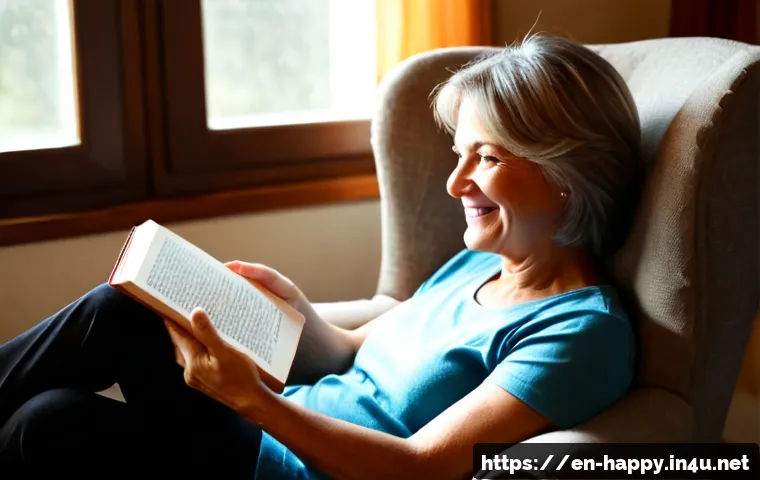
A happier reading habit is usually built around enjoyment, easy access, and a routine you can repeat without pressure. You do not need long reading sessions or an ambitious book target; a small, pleasant reading moment can be enough to keep the habit alive.

Choose print, e-books, or audiobooks based on the barrier that gets in your way most often, whether that is cost, time, portability, focus, or visual comfort.
A library card may be all you need, while an e-reader or audiobook subscription can be useful when it genuinely makes reading easier. The goal is not to read more than everyone else.
It is to make reading feel like personal time you look forward to returning to.
At a Glance
- Enjoyment comes first: choose books that offer interest, comfort, curiosity, or connection.
- Short sessions count: a repeatable reading window can work better than waiting for a free evening.
- Buy convenience only when needed: use a library, e-reader, audiobook service, or used books to remove a real barrier.
| Reading Option | Best For | Cost Consideration | Convenience and Attention |
|---|---|---|---|
| Public library | Budget-conscious readers and variety seekers | Often low-cost or free, depending on local availability | May offer print, e-books, and audiobooks; lending rules vary |
| Print books | Focused, tactile, distraction-free reading | New, used, borrowed, or gifted options are available | Easy on some readers’ attention, but less portable in larger formats |
| E-reader | Portable reading and adjustable text | Requires a device purchase; digital title costs vary | Useful for keeping several books available in one place |
| Audiobook subscription | Commuting, walking, chores, and limited visual reading time | Monthly plan terms and catalogues vary by provider | Flexible listening, though it may not suit every book or situation |
| Used-book buying | Building a personal library with more cost control | Can reduce the cost of owning books | Good for readers who prefer print and like choosing titles slowly |
The Core Reading Pattern: Make Enjoyment Easier Than Avoidance
A satisfying reading routine is often less about discipline and more about reducing friction. When a book is nearby, appealing, and easy to continue, it has a better chance of becoming part of your day. The useful question is not, “What should I read to improve myself?” but “What would I genuinely like to open today?”
Read for interest, comfort, curiosity, or connection—not only self-improvement
Reading for pleasure can support relaxation, reflection, enjoyment, and a sense of personal time. That can include novels, biographies, travel writing, mysteries, essays, or any subject that feels inviting. A practical book can be worthwhile, but a shelf full of books you feel obligated to finish may turn reading into another performance task.
Try this: keep one “easy yes” book available alongside any challenging or educational title. On a tired day, choose the book that feels easier to return to.
Protect a small repeatable reading window
Long, uninterrupted reading blocks are not required. A short session attached to an existing part of your day can be more sustainable: after lunch, on public transit, while waiting for an appointment, or before sleep. The best reading time is the one you can realistically protect.
Avoid setting a target that creates guilt. A daily page count, a reading streak, or a large annual list may motivate some readers, but it can reduce enjoyment for others. Keep your minimum small enough that it still feels possible on a busy day.
Keep the next book or audio title ready before finishing the current one
Finishing a book can create an unexpected pause. If you have no next choice available, the routine may fade while you browse, compare, or postpone a decision. Keep a short list, a library hold, a downloaded e-book, or an audiobook sample ready in advance.
This does not mean buying many books at once. Availability matters more than ownership. A visible print book, a library loan on your device, or an audio title queued for a commute can be enough.
Compare Reading Formats by Cost, Convenience, and Attention Needs
No format is universally best for comprehension, enjoyment, or long-term habit building. The right choice depends on where and when you read, what distracts you, and how much flexibility you need.
Print books: tactile focus and distraction-free reading
Print books can suit readers who prefer a physical object and fewer screen-related distractions. A book on a bedside table, chair, or desk is visible and easy to pick up. For some people, that simple visual cue makes regular reading easier.
Consider borrowing from a library, shopping for used books, or setting a modest book-buying budget if you enjoy owning print titles. The caution is buying aspirational books faster than you can realistically read them. Choose a smaller number of books you are ready to start.
E-books: portability, adjustable text, and instant access
An e-reader can be useful when portability is your main barrier. It can hold several titles in one device, making it easier to continue reading during travel, waiting time, or short breaks. Adjustable text may also help readers who find standard print uncomfortable.
Before spending on an e-reader, think about whether you will use its main advantages: portable access, adjustable display settings, and digital borrowing compatibility. Check device compatibility with your preferred library services and e-book sources before choosing a model.
Audiobooks: flexible listening for commutes and routine tasks
Audiobooks may fit naturally into commutes, walks, household chores, and other routine activities. They can also suit readers who find sustained visual reading difficult. Listening does not have to replace print or e-books; it can fill a different part of the day.
A paid audiobook subscription may add value when you listen often enough to use it consistently. If you listen occasionally, local library audio lending may be the lower-cost option. Review the catalogue, borrowing limits, device support, and plan conditions on the provider’s own page before subscribing.
Libraries, used books, and subscriptions: controlling the monthly reading budget
A public library is a strong starting point for many readers because it may provide print, digital, and audio titles at low cost or no cost, depending on local availability. Used-book shops can also help readers build a home library without treating every purchase as a major commitment.
Subscriptions can be convenient, but convenience is only valuable if it solves a recurring problem. For example, a subscription may make sense if finding your next audio title is difficult or if you regularly use the included catalogue. If your reading pace changes from month to month, check whether a library card or occasional purchase better matches your habits.
Build a Routine That Feels Restorative, Not Like Another Task
Reading often becomes more enjoyable when it has a clear place in your day but no heavy emotional pressure attached to it. Build around moments that already exist instead of trying to create a perfect new schedule.
Use cue-based reading moments such as lunch breaks, transit, or bedtime
A cue is a moment that reminds you to read without requiring a separate decision. Keep a book near the place where you drink morning coffee, place an e-reader in your bag, or queue an audiobook before a regular journey. The cue should be simple and visible.
Set a minimum that is easy to keep on busy days
Your minimum can be as small as opening the book, reading briefly, or listening during one routine task. The purpose is to preserve the connection with reading, not to prove productivity. If you read longer, that is a bonus rather than a requirement.
Track enjoyment and consistency instead of only books completed
Completion counts can be satisfying, but they do not tell the whole story. Consider noting which formats fit your day, which genres pull you back, and which reading moments feel calm or useful. This kind of habit tracking can help you spend money more carefully on books, e-readers, or audiobook plans later.

Common Habits That Quietly Make Reading Less Enjoyable
Many reading routines fail not because the reader lacks interest, but because the system creates too much pressure or too little access.
Buying aspirational books without a realistic reading plan
It is easy to buy books for a future version of yourself with more energy, more time, or different interests. Before purchasing, ask whether you can picture where and when you will read it. If the answer is unclear, add it to a future list or see whether your library has it first.
Forcing books that no longer fit your interests
Your interests can change. A book that felt right months ago may not fit your current season, schedule, or attention level. Pausing a book is not a failure. Switching to a more suitable title can protect the habit instead of breaking it.
Turning every session into screen-free productivity pressure
Reducing screen distractions may help some readers, but reading should not become another strict self-optimization rule. If a phone-based e-book or audiobook makes reading more accessible, it can still support a regular habit. Choose the format that helps you return to stories or ideas with less resistance.
Match Your Reading Plan to Your Lifestyle
For busy professionals with limited uninterrupted time
Keep a portable option ready. An e-reader, a library app, or a slim print book can make short breaks usable without requiring a dedicated reading hour. Focus on continuity over volume: returning to the same book regularly matters more than forcing long sessions.
For commuters and multitaskers
Audiobooks may be the most practical format for transit, walking, or household routines. Prepare the next title before finishing the current one so that a commute does not turn into a search session. If you are comparing audiobook services, prioritize catalogue relevance and device compatibility over promotional claims.
For readers managing screen fatigue
Print books may offer a welcome change from work screens. If portability still matters, an e-reader with adjustable text can be worth exploring, but comfort is personal. Test what feels sustainable rather than assuming one display or format will work for everyone.
For budget-conscious readers rebuilding a home library
Start with local library access and used books. Build a small collection of titles you expect to revisit or genuinely want close at hand. A home library does not need to be large to be useful; a few visible, appealing choices can be more helpful than stacks of unread purchases.
Selection Criteria and Comparison Summary
Choose the lowest-cost option that removes your biggest barrier. A library card may be enough if cost is the issue. A used book may help if you want a physical copy. An e-reader may be worth considering if you need portability and adjustable text. An audiobook plan may be useful if listening is the only reading window that reliably fits your life.
- Cost: Can library borrowing, used books, or occasional purchases meet your needs?
- Time: Do you have quiet reading time, or would listening during routine activities fit better?
- Portability: Do you often have unexpected waiting time where a compact device would help?
- Focus: Does print reduce distractions, or do you need the convenience of digital access?
- Comfort: Would adjustable text or audio make reading easier to continue?
- Budget control: Will a device or subscription be used enough to solve a repeated problem?
Before choosing an e-reader, audiobook subscription, or digital library service, check the official details for current catalogue access, lending conditions, subscription terms, and device compatibility.
In Closing
Reading can be a pleasant form of personal time when it is easy to begin and easy to continue. The most supportive routine is not necessarily the most ambitious one. Keep your next title accessible, use a format that fits your actual day, and let enjoyment guide more of your choices. A small routine that feels restorative is more useful than a strict plan you avoid.
Useful Things to Know
Keep books visible: access matters, so place your current book where you are likely to see it.
Use more than one format: print for quiet time, e-books for portability, and audio for routine tasks can coexist.
Borrow before buying: libraries can help you test authors, genres, and formats without building an unread pile.
Review subscriptions: if your listening or reading pattern changes, reassess whether a paid plan still provides value.
Important Considerations
Reading does not guarantee happiness and should not be treated as a remedy for depression, anxiety, loneliness, or other health conditions. There is no universal best number of books, pages, or minutes to read each day. Format preferences, comprehension, library availability, subscription catalogues, pricing, lending limits, and device compatibility all vary by person, provider, and location. Check current terms directly before making a purchase or starting a subscription.
Frequently Asked Questions
Q1. How much should I read each day to make reading a regular habit?
A1. There is no single amount that works for everyone. Choose a small reading session that fits your schedule and feels easy to repeat. A short, consistent moment may be more sustainable than waiting for long uninterrupted time.
Q2. Is an e-reader or audiobook subscription worth paying for if I want to read more?
A2. It can be worthwhile if it removes a real barrier, such as carrying books, adjusting text size, finding time to read, or having listening options during a commute. Start by identifying your main friction, then compare that option with library borrowing, used books, and occasional purchases. Check current service terms and compatibility before paying.
Q3. What should I do if reading feels stressful instead of relaxing?
A3. Reduce the pressure. Choose a book that fits your current interests, lower your target, pause books that no longer work, and try a different format or reading moment. Reading does not need to be a productivity challenge to be worthwhile.