
Hey there, wonderful people! You know that feeling, right? The one where you’re constantly rushing, surrounded by clutter, and trying to keep up with absolutely everything, only to feel utterly drained and, let’s be honest, a little bit lost.
I’ve been there, chasing after the latest trends, buying things I barely needed, and somehow, despite all the ‘stuff,’ true contentment felt perpetually out of reach.
It’s a common modern struggle, this relentless pursuit of happiness often leading us down paths that ironically leave us more unfulfilled. But what if I told you there’s a different way?
A path that actually *reduces* stress, *increases* your joy, and connects you more deeply to what truly matters? That’s the magic of sustainable living, and it’s so much more than just recycling or cutting down on plastic (though those are fantastic!).
For me, personally, embarking on this journey wasn’t about deprivation; it was a profound rediscovery of joy in simplicity, an awakening to the power of mindful choices, and an incredible shift in how I experienced daily life.
In a world that constantly tells us to want more, the real secret to lasting happiness often lies in desiring less and appreciating what we already have.
We’re seeing more and more people embracing this philosophy, from ‘slow living’ advocates to those building truly resilient, future-proof homes, recognizing that true wealth isn’t material but found in well-being, strong communities, and a healthy planet.
It’s about crafting a life that genuinely feels good, aligns with your values, and isn’t just surviving, but truly thriving. If you’re tired of the endless rat race and ready to build a life filled with authentic happiness and purpose, you’ve come to the right place.
Let’s dive in and discover how to make this a beautiful reality for you!
Mastering Your Digital Domain

You know, for years, I was so focused on decluttering my physical space that I completely overlooked the overwhelming chaos in my digital life. It’s like, we’re constantly bombarded with notifications, endless feeds, and a never-ending stream of information, and it actually has a real impact on our mental well-being and productivity. I mean, think about it – how many times have you picked up your phone for ‘just a second’ and found yourself lost down a rabbit hole an hour later? It’s a common trap, and honestly, it can feel just as suffocating as a cluttered room. I’ve personally experienced the profound relief that comes with taking control of this digital deluge, and it’s been a game-changer for my focus and overall peace of mind.
Digital Detox: Reclaiming Your Focus
I distinctly remember a time when I felt like my phone was practically glued to my hand, and every ping pulled me away from whatever I was trying to do. It was exhausting! That’s when I decided to experiment with a digital detox, and let me tell you, it wasn’t easy at first. But by consciously scheduling screen-free times, especially in the mornings and evenings, I started to feel a remarkable shift. I’ve found that setting boundaries with technology, like putting my phone away an hour before bed or having a strict “no phone at the dinner table” rule, really helps. Even small steps, like turning off non-essential notifications, can make a huge difference in reclaiming your attention and reducing that constant feeling of being ‘on call’. It allows your brain to truly rest and engage with the real world, which I believe is essential for a genuinely happy and sustainable life.
Curating Your Online Presence for Peace
Just as you wouldn’t fill your home with things that don’t serve you, why let your digital spaces be filled with negativity or endless noise? I used to follow so many accounts that left me feeling inadequate or just plain annoyed. It was a slow drain on my energy without me even realizing it. My personal journey towards a more sustainable digital life involved a massive unfollowing spree. I ruthlessly unfollowed accounts that didn’t inspire, educate, or entertain me in a positive way. Instead, I sought out creators and communities that aligned with my values and brought me joy. It’s about creating an online environment that supports your well-being, rather than detracting from it. Think of it as spring cleaning for your digital soul; it truly makes a difference in how you interact with the online world and how it, in turn, impacts you. I’ve noticed a significant improvement in my mood and focus ever since I started being more intentional about what I consume online.
Mindful Consumption: Shopping with Purpose, Not Impulse
Oh, if only I could show you my past credit card statements! I used to be the queen of impulse buys, always chasing the latest gadget or fashion trend, convinced that each new acquisition would finally bring me lasting happiness. Spoiler alert: it never did. Instead, I ended up with a closet full of clothes I barely wore and a house overflowing with things that, frankly, just added to the clutter and my financial stress. It was a vicious cycle that many of us get caught in, driven by clever marketing and the societal pressure to always have more. But through my own journey into sustainable living, I’ve discovered the incredible freedom and joy that comes from truly thoughtful consumption. It’s not about denying yourself things, but rather about making informed, intentional choices that align with your values and bring genuine, long-term satisfaction.
The “Why” Behind Your Buys
Before I buy anything new these days, I make myself pause and ask a few crucial questions: “Do I really need this? What problem is it solving? How many times will I actually use it? And what’s its environmental and social footprint?” This might sound a bit intense, but trust me, it’s a powerful habit that saves me money and reduces waste. I used to be swayed by every sale, every shiny new thing, but now I’ve learned to appreciate the true value of an item, not just its price tag. For example, instead of buying another fast-fashion top that will fall apart after a few washes, I’d rather invest in a high-quality, ethically made piece that will last for years. It’s a shift from instant gratification to lasting satisfaction, and I can honestly say it’s made me a much happier shopper. This mental checklist has become my secret weapon against consumerism, and it truly helps differentiate between a fleeting want and a genuine need.
Investing in Quality, Not Quantity
One of the biggest lessons I’ve learned on this sustainable living path is the immense value of investing in quality over quantity. It might seem counterintuitive at first, especially if you’re used to seeking out the cheapest option, but hear me out. My old habits led to a constant cycle of buying cheap, disposable items that would inevitably break or wear out quickly, forcing me to buy replacements. It was a false economy! Now, I save up for well-made, durable items that are designed to last. Take kitchen appliances, for instance. I used to buy the budget versions, only to have them conk out within a year or two. But after investing in a few higher-quality pieces, I’ve found they not only perform better but also stand the test of time, saving me money and reducing waste in the long run. It’s a more sustainable approach for both your wallet and the planet, and honestly, there’s a certain pride in owning things that are built to last and serve you well.
Embracing Slow Living: Reclaiming Your Time and Sanity
In our fast-paced world, it often feels like we’re constantly running on a hamster wheel, trying to cram more and more into every single day. The pressure to be productive, to always be ‘on’, can be utterly relentless, leaving us feeling drained, stressed, and disconnected from the very things that bring us joy. I know this feeling all too well. For years, my calendar was packed to the brim, and I wore busyness like a badge of honor, thinking it meant I was successful. But what I was actually doing was missing out on the beauty of the present moment and sacrificing my well-being. Discovering the philosophy of slow living wasn’t about doing less, but about doing what truly matters, with intention and presence. It’s about finding rhythm in your days, savoring experiences, and ultimately, reclaiming your own sanity.
The Art of Intentional Pacing
One of the most profound changes I’ve made in my life is consciously choosing to slow down. It started with small things, like actually sitting down to enjoy my morning coffee instead of rushing through it, or taking a few extra minutes to walk rather than always driving. I’ve found that by being more intentional about my pace, I’m not just less stressed, but I also notice so much more beauty in the everyday. It’s about understanding that productivity isn’t just about speed; it’s about focus and quality. When I approach tasks with a calmer, more deliberate mindset, I actually achieve more and feel a greater sense of accomplishment. This shift has allowed me to break free from the constant urgency that once dictated my life, making space for reflection and genuine enjoyment. It’s not always easy to resist the pull of the hustle culture, but the peace it brings is absolutely worth the effort.
Cultivating Hobbies, Not Hustle
For too long, I felt guilty if I wasn’t constantly working or optimizing something. Hobbies felt like a luxury I couldn’t afford, a distraction from the ‘important’ things. But what I’ve realized is that engaging in activities purely for the joy of it is absolutely vital for our mental and emotional well-being. It’s not about monetizing every passion or turning every interest into a side hustle; it’s about simple, unadulterated enjoyment. Whether it’s gardening, reading a physical book, painting, or learning a new skill just for the fun of it, these activities ground us and provide a much-needed antidote to the pressures of modern life. I’ve personally rediscovered my love for baking and spending time in my small garden, and these moments of creative flow and connection with nature are incredibly rejuvenating. They remind me that life is about more than just achievements; it’s about the richness of experience and the simple pleasure of doing things you love.
Nourishing Your Body & Planet: Sustainable Eating Habits
Let’s be honest, food is such a huge part of our lives, right? It fuels us, it brings us together, and it’s intertwined with so many of our traditions and memories. But for a long time, I didn’t give much thought to where my food came from or the impact my eating habits had beyond my own plate. I was just focused on convenience and taste, like so many of us are. It wasn’t until I started diving deeper into sustainable living that I realized just how interconnected our food choices are with the health of our planet and even our own well-being. It’s been a fascinating and incredibly rewarding journey, moving from thoughtless consumption to a more mindful approach to what I put into my body and how it affects the world around me. This isn’t about perfection; it’s about making better, more informed choices, one meal at a time.
From Farm to Table: Understanding Your Food’s Journey
One of the most eye-opening experiences for me has been truly understanding the journey my food takes before it reaches my plate. I used to grab whatever was cheapest or most convenient at the supermarket without a second thought. But visiting local farmers’ markets, talking to the growers, and learning about seasonal produce has been a revelation. Not only do I get fresher, often more delicious ingredients, but I also feel a deeper connection to my food and the community. I’ve discovered the joy of eating with the seasons, which often means more flavorful and nutritious meals. Buying locally reduces the carbon footprint associated with long-distance transportation and supports small businesses, which is a win-win in my book. It’s also helped me appreciate the effort that goes into growing food, making me less likely to waste it. This newfound awareness has profoundly changed my relationship with food, turning every meal into a more conscious and enjoyable experience.
Reducing Food Waste: Smart Kitchen Strategies
Oh, the shame I used to feel looking at wilted greens or forgotten leftovers in the back of the fridge! Food waste is a massive problem globally, and I was definitely contributing to it. But I’ve learned some incredibly simple yet effective strategies that have drastically reduced the amount of food I throw away. It starts with meal planning – making a list and sticking to it when I shop, so I don’t overbuy. Then, it’s about smart storage; knowing how to properly store fruits, vegetables, and cooked meals can extend their life significantly. And don’t even get me started on getting creative with leftovers! That half onion, those slightly sad carrots – they can often be transformed into a delicious soup or stir-fry. I’ve even started composting my food scraps, which feels like a tiny victory every time. It’s amazing how much difference these small shifts make, not just for the environment but also for my grocery budget. This table below provides a quick overview of some essential sustainable swaps you can integrate into your daily routine:
| Item | Traditional Option | Sustainable Alternative | Impact |
|---|---|---|---|
| Coffee | Disposable cup | Reusable mug/tumbler | Reduces landfill waste, saves resources |
| Cleaning | Chemical sprays | DIY vinegar/baking soda, eco-friendly brands | Better air quality, less water pollution |
| Shopping Bags | Plastic bags | Reusable canvas/jute bags | Prevents plastic pollution, protects wildlife |
| Water | Plastic water bottles | Reusable water bottle, filtered tap water | Reduces plastic waste, saves money |
Building a Greener Home: Simple Swaps, Big Impact
Our homes are our sanctuaries, right? They’re where we relax, recharge, and spend so much of our time. But for years, I didn’t really think about the environmental footprint of my living space. I just bought whatever cleaning products were on sale, left lights on unnecessarily, and thought little of the energy I was consuming. It’s easy to overlook these things when they’re so ingrained in our daily routines. However, one of the most empowering parts of my sustainable living journey has been transforming my home into a more eco-friendly haven. It wasn’t about a massive, expensive overhaul, but rather a series of small, manageable swaps and adjustments that collectively made a huge difference. I’ve found that these changes not only benefit the planet but also often lead to a healthier, more comfortable, and even more financially efficient living environment for me and my family.
Energy Efficiency: Small Changes, Big Savings
When I first started looking into making my home greener, I was a bit intimidated, thinking it would involve major renovations or complicated systems. But I quickly learned that some of the most impactful changes are incredibly simple. It started with unplugging ‘vampire’ electronics that draw power even when turned off – that little red light on your TV? It’s costing you! I also swapped out all my old incandescent bulbs for LED lights, and honestly, the difference in my electricity bill was noticeable almost immediately. Another super simple tip: adjusting your thermostat by just a few degrees, especially when you’re away or asleep, can save a surprising amount of energy. I’ve also become a huge fan of natural light and ventilation, opening windows instead of always reaching for the AC or heating. These aren’t just eco-friendly actions; they’ve genuinely made my home feel more comfortable and my wallet a little heavier each month, which is always a bonus!
Non-Toxic Living: A Healthier Home Environment
This was a big one for me. I used to use all sorts of harsh chemical cleaners, thinking they were the only way to get things truly clean. But I started noticing that strong, artificial scent lingering in the air, and it made me wonder about the impact on my family’s health. Switching to non-toxic cleaning alternatives was one of the best decisions I’ve made. For instance, a simple mix of vinegar and water with a few drops of essential oil can clean most surfaces just as effectively, without the harsh chemicals. I’ve also become more mindful of the ingredients in my personal care products, opting for brands that use natural, plant-based components. It’s amazing how much better the air quality feels in my home now, and I have peace of mind knowing that my living space isn’t filled with potentially harmful substances. This shift has not only contributed to a more sustainable lifestyle but has genuinely enhanced my family’s overall well-being, making our home a truly healthier place to be.
Connecting with Community: The Power of Shared Values
You know, for a long time, my journey into sustainable living felt quite individual. It was about my choices, my habits, and my impact. And while personal responsibility is absolutely crucial, I’ve come to realize that the real magic, the true power, lies in community. When you connect with others who share similar values, who are also striving for a more mindful and sustainable way of life, it’s incredibly uplifting and empowering. It moves beyond just individual actions and creates a collective force for positive change. I’ve found that being part of a community not only provides support and encouragement but also opens up opportunities for shared resources and new ideas that I might never have discovered on my own. It’s a beautiful ripple effect, where small efforts combine to create a much larger impact than any single person could achieve.
Local Love: Supporting Your Neighborhood
One of the most tangible ways I’ve experienced the power of community is through actively supporting local businesses and initiatives. It’s like, every dollar you spend locally often stays in your community, helping to create jobs and foster a vibrant, resilient local economy. I used to do most of my shopping at big box stores, but now I make a conscious effort to frequent my local bakery, the neighborhood bookstore, and those small, independent shops. It’s not just about economics; it’s about building relationships. I’ve gotten to know the owners and staff, and there’s a wonderful sense of connection and belonging that comes with that. Buying fresh produce from local farmers, as I mentioned earlier, is another fantastic way to support your local food system and reduce your environmental footprint. These connections make my neighborhood feel more like a true community, a place where people look out for each other and actively contribute to its well-being.
Sharing & Swapping: Building a Circular Economy
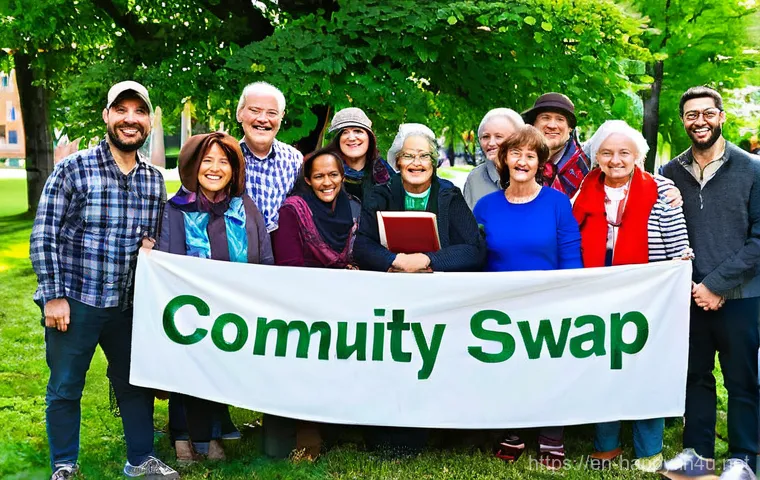
This is where things get really exciting for me! The idea of a circular economy, where we minimize waste by reusing, repairing, and recycling, truly comes alive within a supportive community. I’ve joined local “Buy Nothing” groups and community swapping events, and it’s been a revelation. Instead of buying new items I only need occasionally, I can often borrow them from a neighbor or find them secondhand. And conversely, I can pass on items I no longer need to someone who can truly use them, keeping them out of landfills. It’s not just about saving money; it’s about fostering generosity and reducing our collective consumption. Whether it’s swapping clothes, sharing tools, or even trading garden produce, these initiatives strengthen community bonds and promote a truly sustainable way of life. It’s an incredible feeling to be part of a network where resources are shared, not simply consumed and discarded, creating a tangible sense of collective responsibility and care.
Wrapping Things Up
And there you have it, friends! My personal journey through creating a more intentional and sustainable life has been nothing short of transformative. What started as a few small experiments to reduce digital noise and consumption has blossomed into a deeply fulfilling way of living that touches every aspect of my day. It’s not about being perfect, believe me; I still have my moments of digital distraction or an occasional impulse buy. But it’s about the continuous effort, the mindful pauses, and the genuine desire to live in greater harmony with myself, my community, and our beautiful planet. I’ve found that by embracing these changes, I haven’t given anything up; instead, I’ve gained so much more: peace, clarity, genuine connection, and a profound sense of purpose. It truly feels like an abundance that simply wasn’t there when I was caught in the cycle of more, faster, newer. I hope my experiences offer a gentle nudge, a bit of inspiration, or maybe even a practical tip or two to help you start, or continue, your own incredible journey toward a life that truly thrives.
Good to Know Info
Here are some of my favorite actionable insights and resources I’ve picked up along the way that I think you’ll find incredibly useful for your own sustainable living journey:
1. Harness the Power of Digital Well-being Apps: I’ve discovered that simply being aware of screen time isn’t always enough. Many apps are now available that can help you actively manage your digital habits, like focus timers, notification blockers, or even “digital well-being” features built right into your smartphone’s settings. Implementing even a short “digital detox” or scheduled screen-free periods, particularly before bed, has been shown to significantly improve sleep quality and reduce overall stress levels. Seriously, it’s a game-changer for reclaiming your mental space.
2. Explore Local & Federal Energy-Saving Incentives: You might be surprised to learn about the incredible grants and tax credits available for making your home more energy-efficient! Many governments and utility companies offer programs for things like upgrading to LED lighting, installing better insulation, or switching to smart thermostats and heat pumps. These aren’t just good for the planet; they can lead to substantial long-term savings on your utility bills. It’s worth a quick search on your local government’s website or an energy provider’s site to see what you qualify for – I certainly did, and it helped ease the financial burden of those initial upgrades.
3. Become a Food Waste Warrior with Smart Kitchen Habits: My biggest win in sustainable eating has been drastically reducing food waste. This starts with conscious meal planning and a strict shopping list to avoid overbuying. Once home, it’s all about “first in, first out” – using older ingredients first – and proper storage. Investing in good airtight containers, knowing which foods should be refrigerated versus stored at room temperature, and even freezing leftovers immediately can extend food life significantly. I’ve also found that embracing “scrap cooking” – turning vegetable peels into broth or slightly wilted greens into a pesto – is both economical and creatively satisfying. Every little bit truly helps, and my wallet (and the planet) definitely thanks me!
4. Dive into Your Local Sharing Economy: You know, not every item needs to be bought new! I’ve found immense joy and practicality in participating in local “Buy Nothing” groups or community swapping events. Whether it’s borrowing a tool for a weekend project, giving away clothes I no longer need, or finding a pre-loved item for free, these initiatives foster community and keep perfectly good items out of landfills. It’s a fantastic way to minimize your consumption footprint and build connections with your neighbors. It might feel a bit different at first, but once you try it, you’ll be hooked on the generosity and resourcefulness of it all.
5. Practice the “30-Day Rule” for Mindful Purchases: This one has saved me from countless impulse buys! For any non-essential item I’m considering, I make myself wait 30 days before making the purchase. During that time, I reflect on whether I truly need it, if it aligns with my values, and if it will bring lasting value to my life. More often than not, the urge passes, and I realize I didn’t need it after all. This simple pause helps distinguish between a fleeting “want” and a genuine “need,” making my consumption habits far more intentional and, honestly, more satisfying in the long run. It’s a small habit, but it packs a powerful punch for mindful living.
Key Takeaways
My journey into a more sustainable and intentional lifestyle has shown me that true fulfillment doesn’t come from endless acquisition or constant busyness, but from thoughtful choices and deeper connections. It’s about understanding that every small step we take – whether it’s opting for a digital detox, choosing locally grown produce, insulating our homes, or simply engaging with our community – creates a ripple effect, leading to a richer, more peaceful existence for ourselves and a healthier planet for all. This path isn’t about perfection; it’s about progress, curiosity, and the unwavering belief that our individual actions collectively weave into a tapestry of meaningful change. I’ve found so much joy in this process, and I truly believe you will too, as you begin to consciously curate a life that’s genuinely aligned with your values and well-being.
Frequently Asked Questions (FAQ) 📖
Q: What’s the real difference between “sustainable living” and just being environmentally friendly? I feel like they’re used interchangeably, but your intro hinted at something deeper.
A: That’s such a fantastic question, and honestly, it’s one I wrestled with for ages too! When I first started, I thought “sustainable living” just meant remembering my reusable bags and maybe sorting my recycling diligently.
And while those things are absolutely part of it, I’ve come to realize it’s so much more profound. Being “environmentally friendly” often focuses on specific actions to reduce harm to the planet – things like energy conservation or minimizing waste.
Sustainable living, though? It’s a whole lifestyle philosophy. It’s about consciously making choices that not only support the planet but also enhance your own well-being, contribute positively to your community, and consider the impact on future generations.
For me, it became about asking why I was buying something, not just what it was made of. It’s about building a life that’s resilient, mindful, and doesn’t constantly deplete resources, whether those are natural resources or your own mental energy.
It’s a holistic approach that connects your personal happiness to the health of the world around you, understanding that they’re really two sides of the same coin.
It’s a beautiful shift from just “doing good” to “living good.”
Q: This all sounds wonderful, but honestly, it feels overwhelming. Where on earth do I even begin, especially when I’m already so busy?
A: Oh, trust me, I completely get that feeling of overwhelm! When you look at the sheer scope of sustainable living, it can feel like climbing Mount Everest without any gear.
My personal journey started with tiny, almost imperceptible steps, and that’s exactly what I recommend. Don’t try to overhaul your entire life overnight – that’s a recipe for burnout.
My best advice? Pick one small area that feels manageable and focus there for a week or two. Maybe it’s committing to bringing your own coffee cup every morning (you’d be amazed how quickly that adds up!), or perhaps it’s planning your meals a little better to drastically cut down on food waste.
For me, it was simply keeping a reusable water bottle handy instead of buying plastic ones on the go. Once that became second nature, I added something else, like carrying a small, foldable tote bag for spontaneous shopping.
It’s about building habits, not making grand gestures. Think of it like a ripple effect; one small, consistent choice can lead to another, and soon you’ll look back and realize how far you’ve come without feeling like you sacrificed your entire schedule.
Start small, celebrate every win, and be kind to yourself – it’s a marathon, not a sprint!
Q: I’m worried that embracing sustainable living means spending a ton of money on expensive “eco-friendly” products or constantly sacrificing things I enjoy. Is that really the case?
A: This is such a common misconception, and I’m so glad you asked! Honestly, I used to think the exact same thing. I imagined my life filled with pricey organic everything and having to give up all my creature comforts.
But here’s the wonderful truth I discovered: sustainable living often saves you money in the long run, and it certainly doesn’t mean sacrificing joy. In fact, it often increases joy by shifting your focus.
Think about it: reducing consumption means buying less stuff you don’t truly need, which immediately frees up cash. Learning to mend clothes or repair items instead of tossing them saves you money.
Cooking more at home, often with local, seasonal ingredients, can be significantly cheaper and healthier than takeout, while also reducing packaging waste.
For me, one of the biggest money-savers was simply becoming more mindful about my purchases and asking, “Do I really need this, or am I just buying it because society tells me to?” It’s not about deprivation; it’s about shifting from quantity to quality, from fleeting trends to lasting value.
You might find yourself rediscovering the simple pleasures, like spending time in nature, enjoying a homemade meal, or connecting with your community, which are often free and infinitely more fulfilling than any retail therapy could ever be.
It’s about finding wealth in well-being, not in your wallet or your shopping cart.